
Leave Your Message

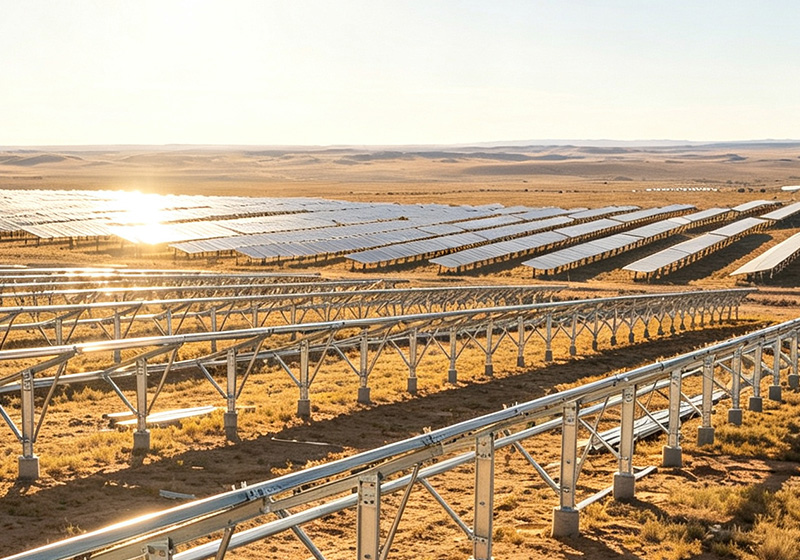





【Case Study】 352.5KW Solar Farm Project in Japan
A notable example of this technology is a 352.5KW solar farm installation located in Japan. This project features a flat, non-angled design that allows for efficient land use and straightforward maintenance. The racking system employs a spaced layout, ensuring that the solar panels are positioned to capture sunlight effectively without interfering with agricultural operations.

The foundation of this project utilizes spiral ground screws, which provide a stable and secure base for the racking system. This type of foundation is particularly beneficial in areas with diverse soil conditions, as it minimizes ground disturbance and allows for rapid installation.

Since its installation, the project has been operating successfully, generating consistent energy output while supporting agricultural activities. The client has expressed high satisfaction with the design and performance of the solar farm racking system, emphasizing its effectiveness in integrating renewable energy generation with sustainable farming practices.
This project serves as an excellent example of how solar farm racking systems can enhance agricultural productivity while contributing to renewable energy initiatives, making it a model for future developments in this sector.

Solar farm racking systems are specialized structures designed to support solar panels in agricultural settings, allowing farmers to generate renewable energy while utilizing their land for farming activities. These systems are engineered to optimize sunlight exposure for the solar panels, ensuring maximum energy production while maintaining the functionality of the farmland.