
Leave Your Message

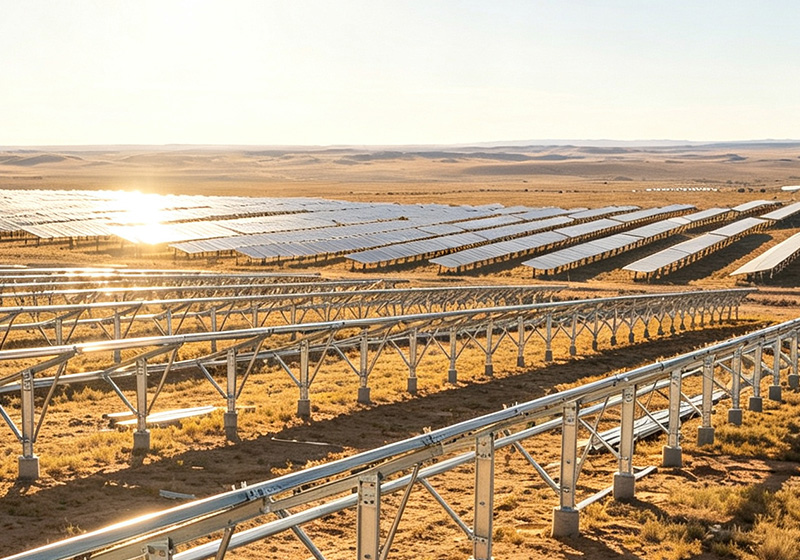





Italy PV Market Analysis and Development Outlook for the Next Five Years
In the blue Mediterranean coast, Italy is quietly set off a green energy revolution. As one of the important economies in Europe, Italy's thirst for renewable energy is increasing day by day, and the photovoltaic industry, as the front-runner of this change, is receiving unprecedented attention.

Continuously growing demand
In recent years, the Italian PV market has shown steady growth. As domestic awareness of clean energy deepens and government support for renewable energy increases, more and more households and businesses are choosing to install PV power generation systems. Data shows that Italy's installed PV capacity has continued to grow over the past few years, with an accelerating trend. This growth is not only reflected in residential rooftop PV projects, but also in the construction of large ground-mounted power plants.
Policy environment: incentives and regulation
The Italian government has spared no effort in promoting the development of the PV industry. Through the introduction of a series of incentives, such as subsidies, tax breaks, etc., the government encourages enterprises and individuals to invest in PV projects. At the same time, Italy has also developed strict PV product standards and market access rules to ensure that the quality of PV products entering the market is reliable and stable performance. This policy environment not only stimulates market demand, but also ensures the healthy development of the market.
Diversification of participants in the tug-of-war
The Italian PV market is becoming increasingly competitive. Local companies have taken their place in the market by virtue of their in-depth understanding of the market and localised service advantages. At the same time, international PV giants have also flocked to Italy, with its brand influence and technical strength to seize market share. This diversified player structure makes the market more competitive, and also promotes the continuous innovation of PV technology and the continuous cost reduction.
Convergence of Intelligent, Integrated and Energy Storage Technologies
Looking ahead to the next five years, the Italian PV market will usher in a broader development prospect. The competitiveness of photovoltaic power generation will be further enhanced as technology continues to advance and costs continue to fall. Intelligence and integration will become an important development direction for PV systems, which will become smarter, more efficient and more reliable through the integration with the Internet, big data and other technologies. In addition, the rapid development of energy storage technology will also add new impetus to the future of the PV industry, enabling PV power generation to better meet the stable demand of the power system and the diversified needs of users.
Challenges and opportunities
However, the development of the Italian PV market is also facing a number of challenges. Increased market saturation, uncertainty over policy adjustments, and international trade frictions may all have an impact on market growth. But it is these challenges that also provide PV companies with opportunities for transformation, upgrading and competitive differentiation. By strengthening technology research and development, improving product quality and service level, PV enterprises are expected to stand out in the fierce market competition.

Conclusion
The Italian PV market is in a development stage full of opportunities and challenges. With the government's policy support, the market demand continues to grow and the competitive landscape is becoming increasingly fierce. In the next five years, with the innovation of technology and cost reduction, the Italian PV market will usher in a broader development prospect. For PV enterprises, seizing the opportunity, responding to the challenges and continuously improving their own strength and market competitiveness will be the key to achieving sustainable development.
Part of the article excerpted from the network, infringement contact deleted.