
Leave Your Message






Challenges in the Japanese Photovoltaic Industry
The recent downturn in the Japanese photovoltaic industry is difficult to hide. Officials from the Ministry of Economy, Trade, and Industry have recently expressed their commitment to supporting the development of perovskite technology in the country. According to the Japanese government's plan, by 2030, photovoltaic power generation will account for 14% to 16% of its total electricity demand, which means that Japan must double its photovoltaic power generation in less than 10 years. Therefore, Japan is actively positioning itself in the research and production of next-generation photovoltaic cells. However, it is widely believed in the industry that various issues such as industrial integration, management determination, and installation scenarios are constraining the development of the Japanese photovoltaic industry.

As one of the early developers of photovoltaics, Japan's supportive policies have required power companies to purchase electricity generated from solar energy and other renewable sources at high prices, which has led to a rapid increase in the number of companies entering the photovoltaic industry. At the beginning of the century, Sharp, a Japanese company, held the largest global market share of photovoltaic components, with other companies such as Kyocera, Panasonic, and Mitsubishi Electric also ranking in the top five. However, around 2010, Japanese companies' global market share began to decline gradually. In recent years, the decline in Japanese photovoltaic component manufacturing companies has intensified, with continuous exits from the photovoltaic component production and manufacturing sector.
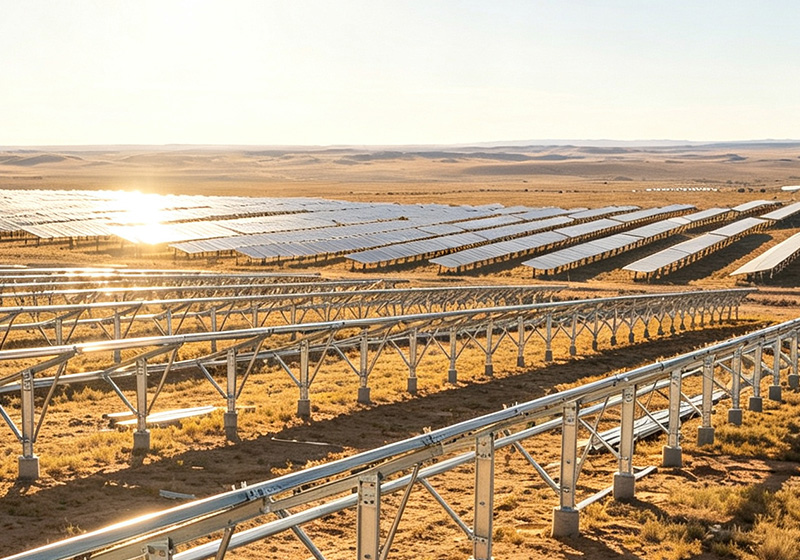
Meanwhile, installation scenarios are also one of the limiting factors for the development of photovoltaics in Japan. As an island nation with almost no flat land, Japan has very few suitable lands for photovoltaic power generation. According to statistics from the International Energy Agency, Japan leads the world in photovoltaic power generation capacity per unit area of flat land, but the growth rate of installed capacity has been declining year by year. This indicates that the utilization rate of suitable sites for photovoltaics has reached its limit, and there are very few sites left to be developed.
In response, Japan has increased the electricity generation revenue from rooftop photovoltaics this year, stipulating that power companies must purchase rooftop photovoltaic electricity at a price 20% higher than that in plains or mountainous areas, in order to encourage companies to install photovoltaic panels on the roofs of factories and warehouses with lower utilization rates.
Part of the article excerpted from the network, infringement contact deleted.